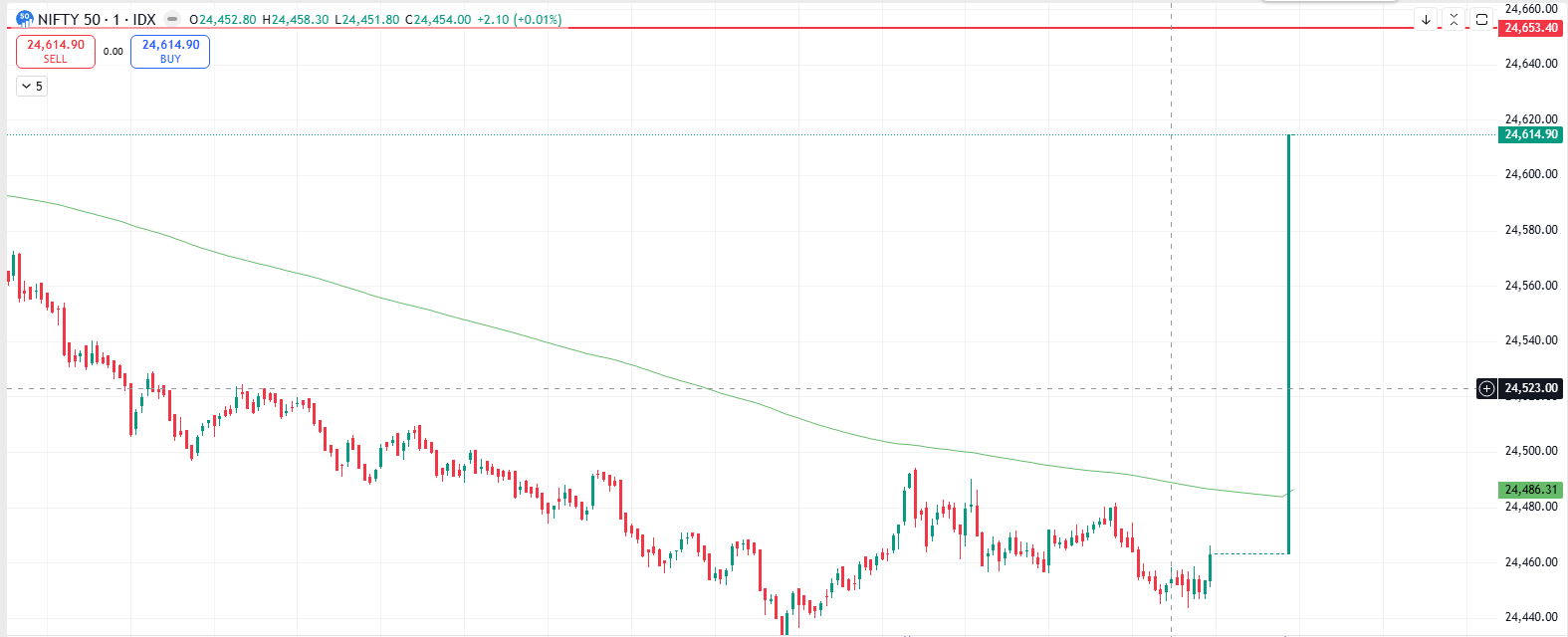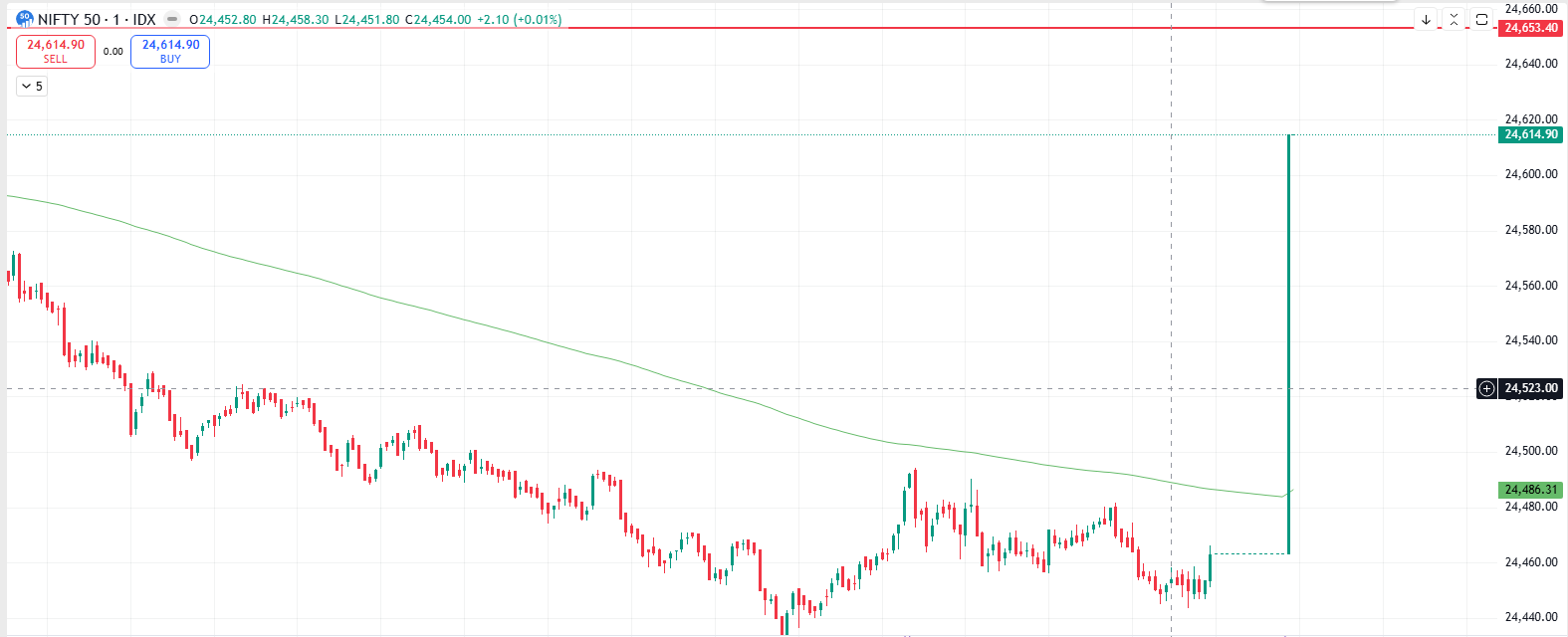
Binary Options Trend Strategy for NSE F&O Trading
If you're trading NIFTY and BANK NIFTY weekly options on the NSE, you've likely noticed that traditional directional strategies don't always capture the full potential of the options market. The Binary Options Trend Strategy is an intermediate-level approach specifically designed to work with the unique characteristics of NSE F&O markets—particularly the way weekly options behave as they approach expiry.
This strategy combines trend identification with options-specific mechanics like time decay and volatility cycles. It's not a get-rich-quick method, but rather a systematic approach that traders have historically backtested across various market conditions.
What Is the Binary Options Trend Strategy?
At its core, the Binary Options Trend Strategy is an options-based approach that identifies directional trends in NIFTY and BANK NIFTY and uses the options chain to structure risk-controlled positions. Unlike outright futures trading, this strategy leverages the leverage, time decay characteristics, and non-linear pricing of options to align with identified market trends.
The strategy gets its name from its binary nature: you're taking a directional view (bullish or bearish) and using specific options chain levels to execute that view. The "binary" aspect means you're making a clear directional commitment based on trend analysis, then using options mechanics to optimize your entry and exit.
How It Works on NSE Markets
NSE weekly options—particularly NIFTY and BANK NIFTY weeklies—have distinct characteristics that make this strategy effective:
- Time Decay Advantage: As options approach expiry (typically Thursday for weeklies), time decay accelerates. If you're on the correct side of the trend, this works in your favor.
- Volatility Cycles: Weekly options experience predictable volatility patterns. Early in the week, implied volatility may differ from mid-week levels, creating entry opportunities.
- Expiry Behavior: Options pricing becomes more extreme near expiry, allowing trend traders to enter with clearer technical setups.
- Options Chain Clarity: The NSE options chain provides rich data on open interest, bid-ask spreads, and implied volatility across strikes—essential for identifying strong trend zones.
A trader using this strategy would study the options chain to identify which strike levels have the highest open interest and tightest spreads, then align those with a confirmed daily trend on the underlying index.
Entry and Exit Rules
Entry Signals: This strategy generates entry signals when two conditions align: (1) a clear trend is confirmed on the daily timeframe (typically using support/resistance or moving averages), and (2) the options chain shows concentrated open interest at a strike level in the direction of that trend. You would then enter a position at that strike, often looking for entry points early in the week when volatility is more contained.
Exit Signals: Historically, backtested results show exits work best when: the underlying moves decisively through a key resistance or support level, implied volatility spikes (indicating trend exhaustion), or the position approaches 1-2 days before expiry. Many traders also use profit targets based on the strike interval (each strike is typically ₹100 apart for NIFTY and ₹50 for BANK NIFTY).
When Should You Use This Strategy?
This strategy performs best when:
- The market is in a clear uptrend or downtrend, not choppy or range-bound
- You have 3-5 trading days until expiry (to benefit from time decay without excessive gamma risk)
- Implied volatility is at normal or elevated levels (not at extreme lows)
- You can monitor positions during market hours—this is not a set-and-forget strategy
It's less effective during high-volatility shocks or when the underlying is consolidating sideways.
Common Mistakes to Avoid
Ignoring the Options Chain: Many traders skip proper chain analysis and trade on gut feel. This strategy requires studying open interest and spread data.
Over-leveraging: Just because options offer leverage doesn't mean you should use maximum leverage. Position sizing relative to your account is critical.
Holding Through Expiry: Weekly options can gap violently on expiry day. Most successful traders exit 1-2 days before, not on the day itself.
Ignoring Volatility: Time decay is your friend only when you're on the right side of the trend. High implied volatility can erode gains quickly if the trade moves against you.
Backtesting and Optimization
The effectiveness of this strategy depends heavily on the specific stock, the period tested, and your execution parameters. Results vary significantly across different market regimes. Before trading live, serious traders spend time backtesting across multiple weekly expiries to understand how the strategy behaves in trending versus consolidating markets.
Ready to Test This Strategy?
Understanding options strategies on paper is one thing; seeing how they perform on actual NSE data is another. Momentum IQ lets you backtest the Binary Options Trend Strategy across historical NIFTY and BANK NIFTY data, test different entry and exit parameters, and optimize for your trading style. Visit the strategy page on Momentum IQ to explore how this intermediate-level approach could fit into your trading toolkit.
Try it yourself: Binary Options Trend Strategy
Run this exact strategy on any NSE stock with your own parameters.