Option Scalping on NSE: High-Frequency Trading for Intermediate Traders
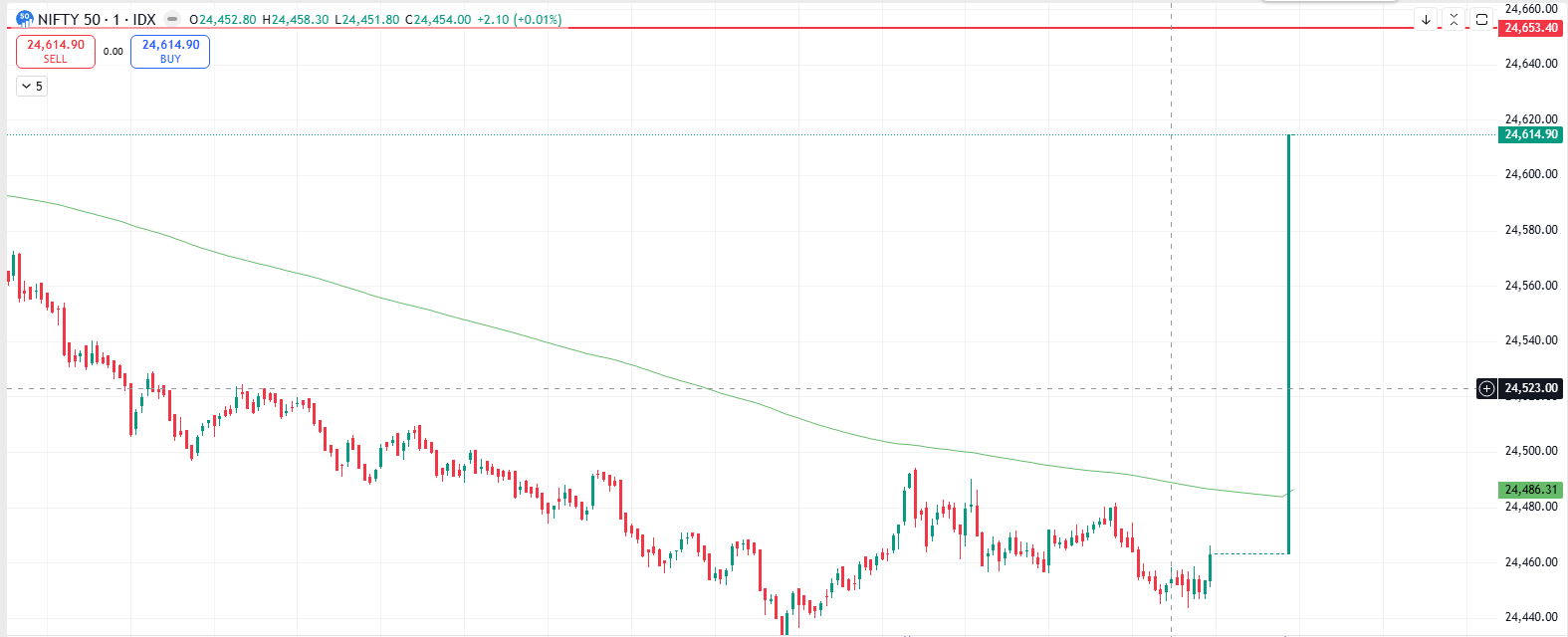
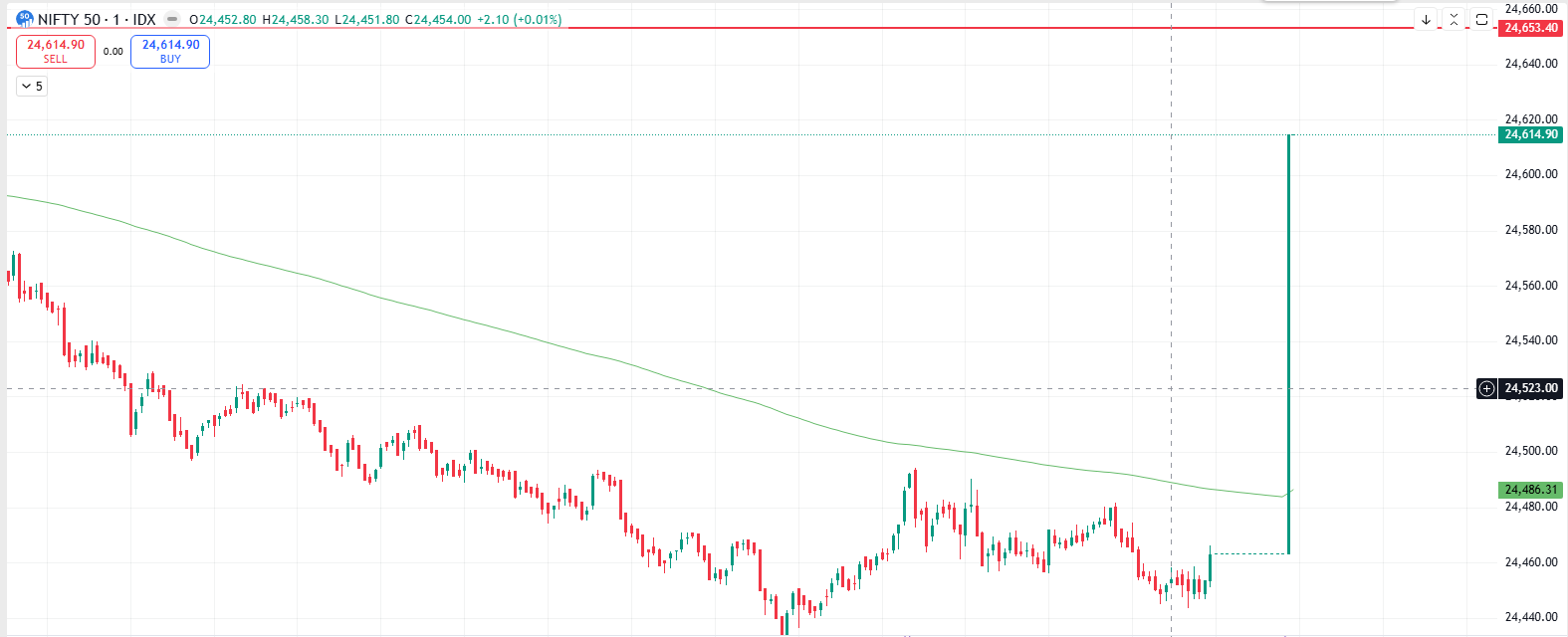
If you've spent time on NSE intraday charts, you've probably noticed that the biggest opportunities sometimes don't come from large directional moves—they come from small, rapid price oscillations that last just minutes. Option scalping is a strategy designed to capture exactly these micro-movements, but it comes with a unique set of demands: full-time screen attention, strict risk discipline, and the ability to execute decisions in seconds.
This guide explains how option scalping works on NSE, why it requires intermediate-level understanding, and how to approach it with proper risk management.
What Is Option Scalping?
Option scalping is an intraday strategy that targets small, consistent price moves in options contracts—typically on 1-minute and 5-minute timeframes. Rather than holding for large profits, scalpers take multiple entries throughout the day, each designed to capture 5-20 points of movement before exiting.
The core idea is simple: volatility is constant in liquid options. Prices don't move smoothly—they oscillate. Scalpers trade these oscillations with defined risk on every entry, accepting small wins frequently rather than hunting for one large win.
This is very different from swing trading or long-term options strategies. You are not betting on directional moves over hours or days. You are reacting to minute-by-minute price action and the micro-supply-demand imbalances visible in the options chain.
How Option Scalping Works on NSE
NSE options—whether on Nifty, Bank Nifty, or stock options—trade in high volumes with tight bid-ask spreads. This liquidity is essential for scalping, because you need to enter and exit quickly without slippage eating into your profits.
Your primary tool is the options chain. By reading bid-ask levels, open interest, and order flow in real time, you can identify where short-term demand or supply imbalances are forming. When a call option's bid suddenly rises, or a put's ask collapses, these are often entry signals based on micro-momentum.
Scalping on NSE also relies on understanding implied volatility (IV) on a tick-by-tick basis. Options prices don't move purely on the underlying stock or index—they move on changing expectations of volatility. In highly liquid contract months, these IV shifts happen constantly and create tradeable opportunities.
Entry and Exit Rules for Option Scalping
Entry Signals
- Options chain surge: A significant rise in bid volume or bid price on calls (or puts) without a corresponding underlying move, often signals imbalance-driven opportunity.
- Spread tightening: When the bid-ask spread compresses suddenly, liquidity is rushing in—often a sign of momentum forming.
- IV spike: A rapid IV increase on your chosen contract often precedes a short directional move.
- Timeframe confluence: Entry signals are strongest when 1-min and 5-min charts show alignment (e.g., both show oversold conditions).
Exit Signals
- Target-based: Most scalp trades exit at a fixed point target (e.g., 10-20 points profit) to avoid overthinking.
- Time-based: If the target isn't hit in 5-10 minutes, exit to preserve capital and move to the next opportunity.
- Stop-loss: Define your maximum loss per trade (typically 7-15 points) before entering. If the underlying moves against you, exit immediately.
- Spread reversal: If the bid-ask spread suddenly widens significantly, it often signals the micro-move is over.
When Should You Trade Option Scalping?
Not all market conditions are suitable for scalping. The strategy historically performs best:
- During high-liquidity hours (9:30–11:00 AM and 2:00–3:20 PM IST).
- On contract months near expiry, where options trade tightest and volume is highest.
- When the underlying index or stock is ranging—scalping thrives in choppy, non-trending conditions.
- Avoid the first 15 minutes after market open and the last 30 minutes before close, when volatility becomes erratic.
Common Mistakes in Option Scalping
Chasing slippage: Entering too close to the market or during bid-ask spikes often results in worse fills than anticipated.
Ignoring the Greeks: Theta decay and gamma risk change rapidly in short timeframes. Many scalpers lose more to option decay than they gain from small moves.
Over-trading: Just because you can take 20 trades per day doesn't mean you should. Fatigue leads to emotional decisions.
No pre-defined rules: Scalping without entry/exit rules is just gambling on tick movements. Discipline is non-negotiable.
Is Option Scalping Right for You?
This strategy demands full-time attention. You cannot step away from your screen, and you must execute within seconds. If you have a day job or limited screen time, this is not your strategy.
However, if you're already comfortable with NSE options, understand Greeks and implied volatility, and enjoy the technical side of reading order flow, option scalping can be a high-frequency way to build consistent returns.
Test Your Option Scalping Strategy on Momentum IQ
Theory is useful, but results come from backtesting and live validation. Momentum IQ lets you backtest option scalping strategies across NSE historical data, optimize your entry/exit rules, and validate performance across different market periods and contract months.
Before committing real capital, build and test your option scalping system on Momentum IQ. Understand what works on your preferred stocks and timeframes. Start trading with confidence based on data, not intuition.
Explore option scalping backtesting on Momentum IQ today and turn micro-movements into measurable edge.
Try it yourself: Option Scalping
Run this exact strategy on any NSE stock with your own parameters.